


In a data-driven world where strategic decisions rely heavily on insights, Business Intelligence (BI) plays a critical role. However, to ensure the long-term sustainability and effectiveness of analytics initiatives, rigorous documentation is essential. This article explores why BI documentation is a key pillar in the longevity of Analytics projects.
1. Facilitating Knowledge Transfer
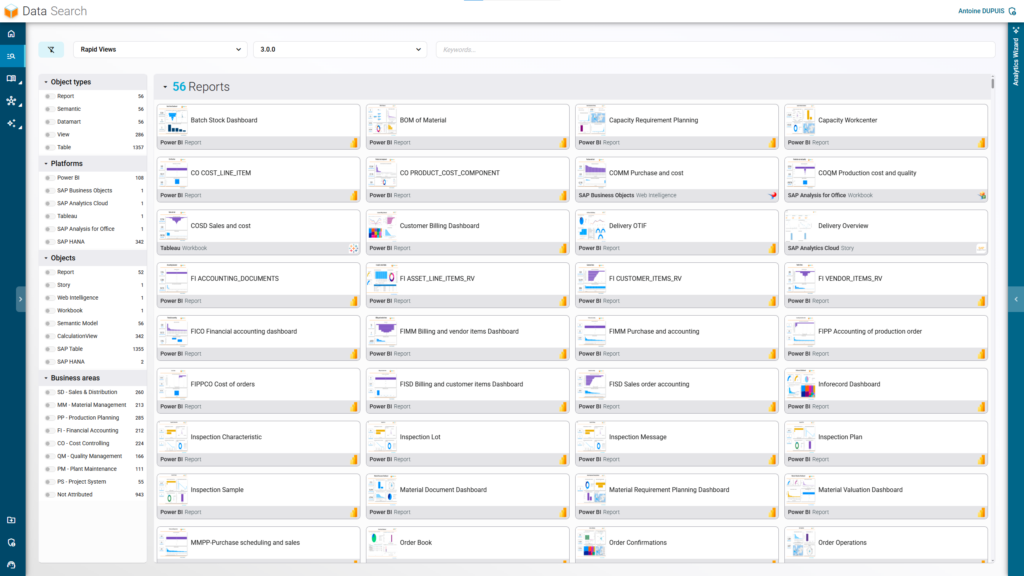
BI documentation systematically captures every stage of a project: decisions made, data sources used, analytical models developed, results produced, and more. It acts as a reference for current and future teams, enabling better understanding and continuity of projects—even when staff turnover occurs.
2. Ensuring Data Quality and Consistency
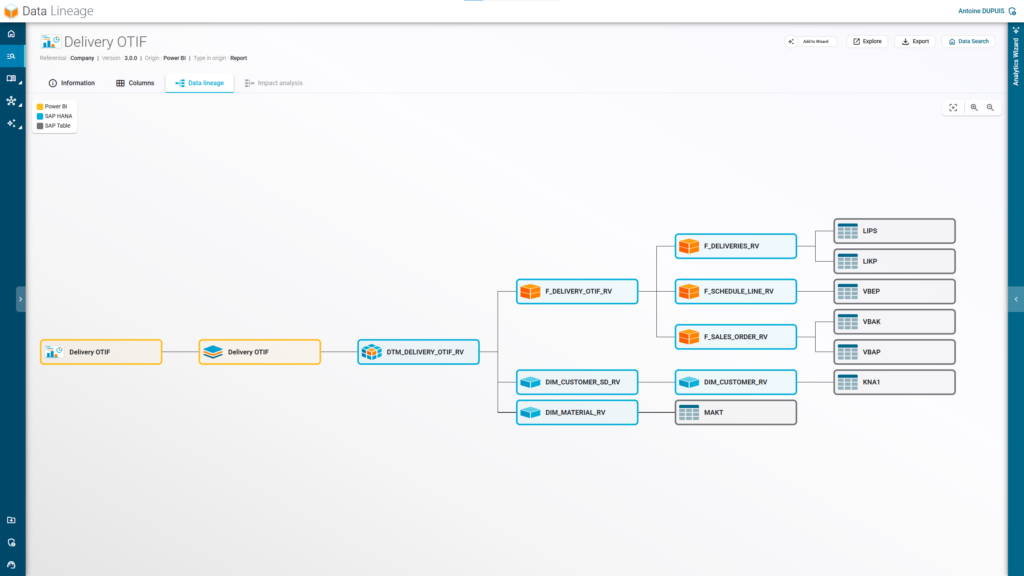
Detailed documentation helps preserve data quality by describing integration processes, applied transformations, and business rules. This ensures that all analytics rely on trustworthy and consistent data—critical for informed decision-making.
3. Supporting Data Governance
Documentation is a foundational component of data governance. It helps define standards and policies that guarantee data accuracy, consistency, and integrity across the organization. Well-maintained documentation also makes regulatory compliance easier.
4. Driving BI Solution Adoption
Clear, accessible documentation boosts user confidence in BI tools. It helps users understand indicators, data sources, and analysis methods—leading to greater adoption and more effective use of analytics solutions.

5. Simplifying Maintenance and Future Development
BI projects evolve over time. Proper documentation allows teams to track changes, assess potential impacts, and plan for future improvements. It becomes a foundation for ongoing maintenance and enhancements of analytics systems.
6. Encouraging Cross-Functional Collaboration
BI documentation acts as a bridge between technical and business teams. It enhances communication, fosters mutual understanding, and supports alignment by clarifying goals, methods, and responsibilities.
Conclusion
BI documentation is not a side task—it’s a vital component for ensuring the long-term viability of Analytics projects. It enables knowledge transfer, ensures data quality, supports governance, boosts user adoption, simplifies system maintenance, and fosters collaboration.
Investing in thorough documentation is a key success factor for any analytics initiative aiming for long-term impact.